
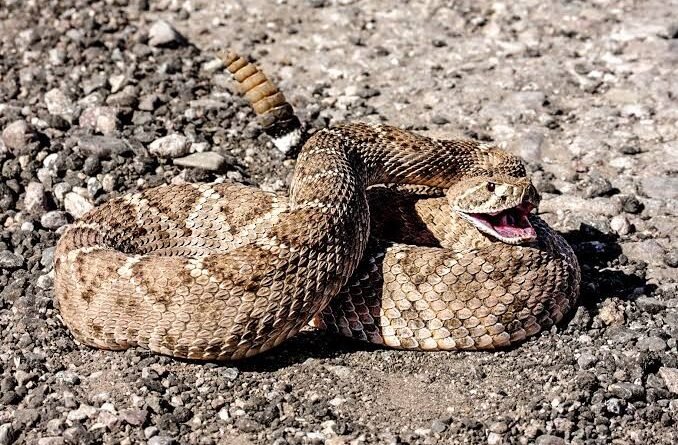
Where Do Snakebites Happen Most in the USA? Hotspots & Safety Tips
The short answer to the question is the South and parts of the West. The majority of venomous snake bites occur in a small number of states, including North Carolina, Texas, Arkansas, and Georgia, and clearly have specific habitats and seasons that act as hot spots.
The Big Picture: Regional Snakebite Risk in America
Snake bites occur at a very high level of regionalization in the U.S. National data analyses reveal that about 82% of snake bites happen in the South, about 11% in the West, 7% in the Midwest, and only 1% in the Northeast. That is the climate, habitat, diversity of snakes, and time people spend outside of the home in rural and semi-rural settings.
In the U.S., between 7,000 and 8,000 people are bitten by venomous snakes each year. While death is uncommon with timely treatment, serious injury can occur, particularly in high-bite areas (such as the South) and in outdoor pursuits such as hiking, farming, and work activities.
Where does the U.S.A. get the most snake bites? The Hotspots
Which US state has the most snakebites?
If you are considering the numbers, Texas is always at the top with an estimated 1400+ snake bites yearly. After accounting for the number of bites for every 100,000 people, however, North Carolina comes out as the highest-risk state with an estimated 18.79 venomous snakebite incidents/100,000 residents and estimated 856 bites per year.
States with Highest Snakebite Rates (Per Capita)
Recent 2026 studies put these states at the top of the list for venomous snakebite rates per 100,000 people:
- North Carolina – 18.79 per 100,000
- Arkansas – 17.19 per 100,000
- Texas – 14.70 per 100,000
- Georgia – 13.44 per 100,000
- West Virginia – 11.29 per 100,000
- Mississippi – 10.83 per 100,000
- Louisiana – 10.25 per 100,000
- Oklahoma – 8.85 per 100,000
- Arizona – 7.83 per 100,000
- South Carolina – 7.72 per 100,000
Other sources have comparable rankings based on bites per million residents, and North Carolina, West Virginia, Arkansas, Oklahoma, Virginia, and Texas are often at the top of the list.
So, if you’re wondering where snake bites occur most in the USA, it’s a geographic area that is mostly in the Southeast and parts of the South Central and Mountain West, particularly in forested and rural semi-rural counties near fields, creeks, and rocky outcrops.
Snake-infested areas in the United States: Habitats that create risk
What is the most common habitat for snake bites in America?
Snakebites are not only a state affair, but also a particular place. The high-risk snakebite areas in the U.S. commonly have these characteristics:
- Warm, humid environments with long snail active seasons
- Mixed landscapes: forests, brush, fields, and water edges
The way humans use areas such as walking trails, farms, construction sites, and rural yards.
Snakes like to live in places where the following are found in the United States:
- Heavy forest cover, rocky outcrops, and copious copperheads and rattlesnakes make the Appalachian and Piedmont areas (NC, WV, VA, TN, KY, GA) a hotspot for bites.
- Cottonmouths (water moccasins), copperheads and some rattlesnake species are common in wetlands, bayous and coastal scrub in the Gulf Coast and Deep South (TX, LA, MS, AL, GA, FL, SC).
- Rattlesnakes rule over these areas: Southwest and Desert West (AZ, NM, TX, CA) around desert trails, rocky canyons, and the edge of suburban development.
Midwest river valleys and Ozarks (MO, AR, OK): Predominantly copperheads with rattlesnakes and cottonmouths in farmland, brushy areas, and near rivers.
What snakes bite the most in America?
The locations of rattlesnake bites in the United States.
Rattlesnakes play a significant role in medically important snake bites, particularly in the Western region, and in portions of the South and Midwest. Areas with a high risk of rattlesnake encounters include:
Deserts and foothills in Arizona, New Mexico, Texas,s and California.
- The Rocky Mountain region (Colorado, Utah and Idaho)
- Southern plains and hill country in Texas and Oklahoma
Trails, rock piles, and around rural structures and buildings where rodents are common are places that rattlesnakes are likely to be encountered.
Copperhead snake bite areas USA.
Copperheads are the most deadly snake in the U.S. for human interaction with the public, especially in the Southeast and Appalachia. They are found from the East Coast to the South and into the Midwest, but are concentrated in:
The eight states include: North Carolina, Georgia, Alabama, Tennessee, Virginia, West Virginia, Arkansas, and Missouri.
Leaf litter, fallen logs, creek edges, and brushy yards are all areas that copperheads enjoy stepping into without looking, and these are the places they will be found.
Other venomous snakes found in the USA
Cottonmouths (water moccasins): Found throughout the Southeast and the Gulf Coast, particularly in and around swamps, ponds, and slow-moving water.
Coral snakes: Rare but very venomous, found in the Southeast and parts of the Southwest.
There are regional differences, so a “venomous snakes by state USA map” is a great resource to have before going on vacation or hiking in unfamiliar regions.
When Are Snakebites Most Likely in the USA?
When do snakes bite most in the USA?
Snake activity (and the likelihood of being bitten) is greatest during the warmer months:
- The highest incidence of bites occurs from April through October every year (during the spring and early summer).
- Snakes are active, and people are outside more in late spring and summer, and this is when bites typically occur.
Time of day is also a factor: Many bites happen during the day when people are out on the trail, at work, or playing with children; in very hot climates, however, snakes may be more active at dawn, dusk, or at night.
Do snakebites happen more often in the South or West?
Yes, snakebites are much more prevalent in the South. A national analysis reveals that approximately 82% of the snakebites in the United States occur in the South, while 11% occur in the West, 7% in the Midwest, and 1% in the Northeast. Southern states such as North Carolina, Texas, Arkansas, Georgia, and Mississippi have the highest numbers and rates of bites per capita, but the problem remains serious in the West, particularly desert and mountain states, from rattlesnakes.
Whatever the numbers tell us: Snakebite Statistics by State 2026
There have been clear patterns in snakebite statistics by state in recent 2026 reports:
- North Carolina has an estimated 856 venomous snakebites per year and ranks first in the nation for per capita venomous snakebite incidence (18.79 incidents per 100,000 persons).
- Texas has the greatest number of venomous snake bites (more than 1400 per year) due to the size of its population and the wide range of snake habitat.
- In Arkansas, Georgia, Mississippi, Louisiana, Oklahoma, and South Carolina, per-capita bite rates are consistently high, ranking among the top 10 states. States in the Southeast, such as Arkansas, Georgia, Mississippi, Louisiana, Oklahoma, and South Carolina, are consistently in the top 10 states for per-capita bite rates.
- These data further support the concept that snake bites occur most in the USA in a pattern that relates to climate, ecology, and human activity.
How to avoid being bitten in high-risk states: Snakebite Prevention Tips USA.
In snakebite-prone areas of the U.S., common sense measures can significantly decrease your risk. These are some of the snakebite prevention tips for hikers, outdoor workers, and families in the USA.
Snakebite Safety Tips for Hikers USA
- Wear protective footwear and clothing: Wear strong shoes and long pants, which limit exposure, particularly in brushy or rocky areas.
- Remain on designated paths: Do not venture off on paths with tall grass, brush or rock piles where snakes may be hiding.
- Be careful where you step and sit: Be careful when stepping over and sitting on logs, rocks or trail edges.
- Take a walking stick: Tap feet in front of you for signs of snakes in grass or on leaf litter.
- Avoid touching snakes. Many snake bites are the result of people attempting to handle, kill,l or move a snake.
Outdoor Worker Snakebite Prevention 2026
In the USA: for farmers, construction workers, landscapers and utility workers in snake-infested areas:
- Wear snake-resistant boots and long pants tucked into boots in areas where snakes are likely to be present.
- Remove brush and debris around work areas and storage sheds to minimize hiding spots.
- Never use hands to transport logs, rocks, lumber piles, or equipment that can harbor snakes.
- Provide local snake identification, first aid measures,s and emergency contact numbers.
- Ensure that you have a cell phone or radio handy to call for assistance if bitten.
- Family and Yard Safety in Most Snake-Infested Areas in the US 2026
- Maintain clean yards, do not mow the lawn, clean up debris piles, and store firewood off the ground.
- Remind children not to put their hands in holes, underneath rocks, or into wood piles.
- Light up in locations where people and snakes might meet at night.
What Should I Do If Bitten by a Snake in the USA?
In high-risk snakebite areas such as the USA, understanding what to do and what not to do can save lives.
Do This Immediately
- If bitten: Get to safety and avoid getting bitten again.
- Call 911 or reach the nearest emergency department as quickly as possible.
- Remain as calm and quiet as possible; keep bitten limb at or below heart level.
- If rings, watches, or tight clothing are around the bite site, take them off before swelling occurs.
- If possible, gently wash the bite with soap and water and cover it with a clean dressing.
- Take a picture of the snake at a distance if safe; this will aid in identification by clinicians.
Do NOT Do These
- Don’t attempt to catch or kill the snake.
- Avoid cutting the wound, sucking the venom, or using snakebite kits.
- Avoid applying a tourniquet, tight bandage, or ice.
- Avoid alcohol, ibuprofen,n or aspirin immediately after, as these can interfere with bleeding.
- Early treatment is the most critical in reducing the effects of venomous snakebites.
FAQs
Where do most snakebites occur in the United States?
The majority of snake bites are in the Southern United States, particularly states with warm climates and habitats that are hospitable to venomous snakes such as North Carolina, Texas, Arkansas, Georgia, Mississippi, Louisiana,na and Oklahoma.
What is the most snake-bitten state in the United States?
Texas has the largest number of snake bites. By rate per population, North Carolina has the highest venomous snakebite rate in the U.S.
What are the top snakebite hotspots in America?
Rattlesnakes have the Appalachian and Piedmont regions of North Carolina, West Virginia, Virginia, Tennessee, Georgia, the Gulf Coast and Deep South (TX, LA, MS, AL, FL), and portions of the Southwest (AZ, NM) as their top hotspots.
Where are snakebites most common in the USA (by setting)?
Snakebites occur most frequently in areas where people spend time outdoors in a forest or semi-forested environment such as a wooded trail, field, creek bank, rocky outcrops, farm, and yards near natural habitat.
Where are snake bites most likely to occur in the United States?
High-risk areas include the Southeast, South Central, and desert/mountain regions where warm weather and snake and outdoor activity both are high during warm months.
What measures can I take to prevent snake bites in snake-heavy states?
Remember to wear boots, long pants, stay on footpaths, don’t explore corners and crevices, use a walking stick, and never pick up snakes. Know the venomous snake species found in each state in the USA.
What should I do if bitten by a snake in the USA?
Call 911, remain calm, immobilize the limb, remove constricting clothing, wash the area, and rush to the hospital. Never cut, suck, or tourniquet.
Do snake bites occur more often in the South or the West?
Snakes in the South bite about 82% of people in the U.S. and about 11% in the West.
When are snake bites most common in the U.S.?
Snakes are more active,a nd people are outside more in spring and early fall, making these the seasons when bites are most likely to occur, particularly in late spring and summer.
What are the most common snakes that bite people in America?
Overall, copperheads bite the most people, and many of the most severe bites are caused by rattlesnakes. Other snakes include cottonmouths and coral snakes, particularly in the Southeast and Gulf Coast.
Stay Informed, Stay Safe in Snake Country
Snakes are most likely to bite people in the U.S. in locations with predictable concentrations of venomous snakes, such as the South and parts of the West, where climate, topography, and human population are conducive to snake inhabitance. Understanding the regions of highest incidence of snakebites in the USA, the species involved, and the prevention and treatment of bites can have a significant impact on snakebite risk and outcomes.
USA Times Square and other resources offer additional regional safety information, tips on the outdoors,s and local risk awareness.