Inside the NYC Building Collapse Threat: What Caused the Manhattan Tower Structural Failure?
You’ve probably heard of the huge scare in Manhattan if you follow the news. The entire city held their breath when the structural failure in midtown first made its way to the airwaves. They feared a NYC building’s collapse. Reports of bricks falling and support beams buckling at a major building in 2026 prompted rapid emergency response. The people wondered if a massive NYC building was about to collapse in a busy neighborhood. What is the location? The location is 235 East 42nd Street, the former Pfizer Building.
In this article for USA Times Square, we’ll dive deep into what actually caused this terrifying scare, how the authorities responded, and what this means for other major office-to-residential conversions happening across New York City. Let’s grab a coffee and explore the details of this frightening NYC building collapse that caused a midtown office building to be evacuated, and local traffic to be paralyzed.
The event that stopped Midtown
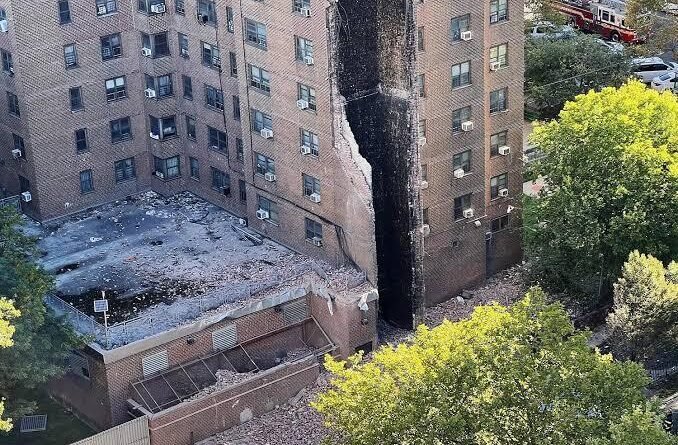
The morning started out like any other in New York. Just before 8 am, New York Fire Department received an alarming call regarding structural problems. First responders do not take chances when a collapsed building nyc is reported. When crews arrived at the pfizer nyc building, they discovered a terrifying situation. The 21st-floor load-bearing columns buckled under the pressure. This caused the floors to sag between the 21st and the 26th levels.
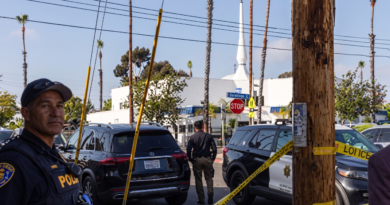
The risk of an actual collapse in a NYC building was so high that Mayor Zohran Mdani and officials from the city immediately ordered the evacuation of several buildings around it. A massive “frozen zone” was established. Fear of a collapsed new york building meant that no vehicles or pedestrians were allowed in the nearby blocks. The area was immediately closed down because no one wanted to put their lives at risk in the event that a real NYC building collapsed. Rapid response turned a potentially tragic situation into an emergency rescue and shoring effort that was chaotic but still stabilized.
What caused the structural failure?
What caused the NYC building collapse? The 37-story building was undergoing a major renovation. The former corporate headquarters of pfizer was being transformed by developers into a huge residential complex with over 1,600 apartments. According to reports by the nypost, and other major outlets the developers are actively adding 19 additional stories and widening upper 15 floors.
Unfortunately, things can go wrong when you add that much extra load to older support beams with inadequate reinforcement. The engineering experts noted quickly that the buckling column on the 21st-floor simply could not handle the additional weight. This wasn’t an absolute structural catastrophe, but it was a very close call. The sheer amount of construction at the 235 East 42nd Street Tower caused a localized failure. Later, the developer admitted that it was the extra load placed on these specific floors which caused the columns to buckle. This triggered the NYC building collapse alert. Structural engineers scrutinize loads and shoring techniques whenever a building collapse like the pfizer one is narrowly averted.
After Effects of Complex Shoring Operations
The real work began once the immediate danger of a NYC building collapse had been assessed. The temporary shoring operations and support in a high rise are extremely complex. The engineers had to bring in specialized machinery to stabilize the 21st-floor and prevent a cascading catastrophe.
Emergency workers were able to safely operate because the midtown building was evacuated so quickly. The Department of Buildings Commissioner reported the next day that the building had finally become “safe and secure.” Emergency shoring was applied immediately to stop the sagging, and secure the beams that were compromised. This prevented the feared collapse of the NYC building.
The terrifying incident has raised serious concerns about the safety of converting large commercial offices into residential units. These conversions have become quite common as nyc adapts its real estate market post-pandemic. This incident is a warning to all in the industry. Structural engineering is something that you cannot compromise on. The NYC building collapse scare in the iconic pfizer will likely lead to a much more strict oversight of similar architectural projects going forward.
Will it delay other NYC projects?
Construction workers in the area are feeling the ripple effects of the NYC building collapse. Contractors and developers in New York City are double-checking the structural load calculations. No one wants to see their project become the next headline about a major structural failure.
Residents, students and workers who had to evacuate the building in midtown were gradually allowed back into the building once the threat of a collapse was deemed low. The fact that everyone remained safe is a testament to how quickly the FDNY and emergency management teams acted. The city has proven that it is capable of mobilizing effectively to protect citizens in the face of a crisis this large.
The former pfizer was a landmark on 42nd Street. It is a huge undertaking to move from a corporate center to residential living. Retrofitting heavy pipes, changing the floor plan, and dealing decades-old steel are all part of this project. The threat of a NYC building collapse brought to light the true risks associated with retrofitting high-rises from the mid-century period. The collapse of the NYC building was closely watched by structural engineers in the city, who actively learned from the failure points at the 21st-floor.
Frequently Answered Questions (FAQs)
Q1. Did the entire NYC building collapse?
A1. No. The building in NYC did not collapse as reported by the media. The 21st-floor support columns buckled, causing structural sagging. This prompted an immediate evacuation.
Q2. Which building was involved in a recent building collapse in NYC?
A2. The terrifying incident occurred at the former pfizer building, located directly at 235 East 42nd Street in Midtown Manhattan.
Q3. Was anyone injured in the terrifying emergency?
A3. Fortunately, zero injuries were reported. The building in midtown was evacuated without incident, and all residents and construction workers were relocated safely before any possible collapse of a NYC building could happen.
Q4. What is the cause of the NYC building collapse?
A4. The developers added significant weight to the upper floor to convert office space into larger residential apartments. Two older steel columns buckled under the added weight, causing widespread fears of a collapse in NYC.
Conclusion
The collapse of the NYC building at the former Pfizer HQ was an unfortunate event that brought to light the complexity of urban construction. The quick and decisive actions taken by the FDNY, structural engineers, and other authorities prevented a tragic, historic disaster.
Want to be fully informed about the latest breaking news, real estate developments, and stories that are happening in New York City right now? Today, bookmark the USA Times Square home page! Subscribe to our newsletter to stay up-to-date on the latest news, including local NYC building collapses and pop culture events. Comment below and share your thoughts about this terrifying midtown incident!