
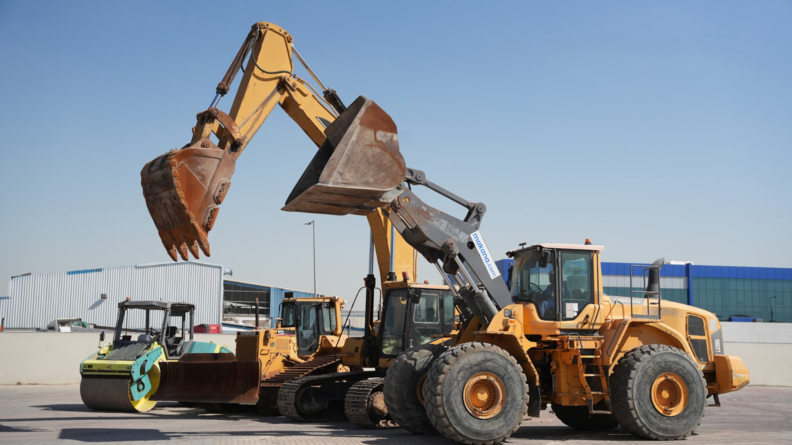
How Technology Changed Heavy Equipment Value In The Last Five Years
The value of heavy equipment used to rely predominantly on age, hours, and appearance. Customers were concerned with the condition of their engines, structural wear and tear, as well as records of maintenance. In the past five years, technology has transformed the way industry values are gauged. The digital systems currently impact the pricing, demand, and long-term value. Machines do not depend on the use of steel and hydraulics to demonstrate their power alone. Software, sensors, and data have become significant determinants of reliability and performance as perceived by buyers. This alteration has shifted the expectations of the market and compelled the owners of equipment to look past the physical condition. Technology has emerged as an effective element in the way value is created and the duration of that value creation.
The Change Of Physical Strength Into Digital Intelligence
Digital intelligence is no longer just a mechanical force in modern heavy equipment. Buyers do not consider machines as mere tools anymore. They regard them as interrelated resources that produce usable information. Additional value is provided by digital displays, control systems, and onboard software. These systems enhance the accuracy of machines and minimize work errors. Modernized equipment can be of more value since it can accommodate the current demands of a job. This has resulted in a distinct separation between simple machines and machines that are digitally enhanced. This has led to the fact that technology has become a determinant of value as much as the quality of the build and performance.
Telematics And Open Equipment Performance
The telematics systems have transformed the manner in which equipment demonstrates its value. Digital tracking has seen machines communicate the usage patterns, working hours, fuel behaviour, and system health. Such transparency creates buyer and seller confidence. Authenticated information minimizes uncertainty and justifies reasonable prices. Machines and devices that have performance statistics readily available can also be embraced with more haste since customers have confidence in the figures of the machine. Telematics also assists the owners in keeping proper records, which builds long-term value. In the long run, evidence-based equipment will be distinguished in competitive markets where the factor of trust is significant in buying goods.
Anticipatory Maintenance And Long-Term Cost Management
Technology has enhanced the planning of maintenance by changing the emphasis from reaction to prevention. Sensors are now able to detect the early warning of wear and system stress. This enables the owners to correct the problems before they escalate. Predictive maintenance also saves time and prevents damage to major parts. Heavy machinery that does not need constant maintenance has better marketability. Customers appreciate the machines with a good sense of steadfast care and low chances of repairs. Maintenance is also technology-assisted in ensuring that there is superior budgeting and planning. The benefits have a direct effect on the quality of judgment among buyers in terms of overall value and long-term reliability.
Automation And Exactness-Based Exhibitions
Automation has enhanced the accuracy and consistency with which machines are used to do their duties. Innovative control systems contribute to the facilitation of operations and movement. Precision technology makes the operators less fatigued and more efficient. The machines that provide stable performance without much deviation tend to sell at a higher price. Automation also safeguards the crucial parts against undue stress. With better precision, the equipment produces more favorable results in extended intervals. This uniformity enhances the trust that a buyer has and makes machines with technology more intelligent investments in the contemporary equipment domain.
Risk Reduction Value And Safety Technology
The safety systems have become a major factor in the equipment valuation. State-of-the-art monitoring systems allow for preventing overloads, instability, and any operational risks. The systems are used to safeguard both operators and machines. Buyers are going to choose the equipment that reduces risk and helps create safer working conditions. Safety is also improved, safety that minimizes unplanned expenses associated with damage or downtime. The presence of modern safety technology in machines is likely to be more appealing since they are consistent with the industry requirements at the moment. Safety has been transformed into a quantifiable in asset that brings in a tangible worth in addition to the physical longevity.
Efficiency, Emission And Wiser Resource Usage
Technology has transformed the ways of fuel consumption and emission control of machines. Smart engines alter performance requirements according to the workload requirements. Electronic controls restrict wastes and facilitate effective operations. Reduction of operational costs has a direct impact on the perceived value in the long run. Buyers seek power-efficient and balanced machines. Environmental systems also assist equipment to be up to date in performance without compromising its performance. These enhancements have been known to increase the life of the machine and recover resale value. The concept of efficiency is now a major contributor to the process of value development and maintenance.
Influence Of Technology On The Market Of Used Equipment
Now, the used heavy equipment market can be seen as the reflection of these technological changes. Shoppers are demanding more than simple functionality. They are searching machines that provide digital records, high performance, and updated systems. Machines that lack modern technology usually command less demand and are given a low price. Technology assists used machines to compete by demonstrating reliability and a history of care. Those sellers who introduce digital documentation obtain more powerful positioning. Technology is on the verge of increasing its influence on buyer behavior with the tendency of increasing its impact to create value in both the new and used markets.
Final Verdict
The value of heavy equipment has been transformed by technology in a significant manner in the past five years. The digital intelligences, data transparency, safety, and efficiency enhancements now have a role in determining how machines develop and retain value. Buyers assess equipment using physical and technological perspectives. Those sellers who adjust to this change become more market-oriented. Technology will continue to be important in the industry as it progresses in creating value, reliability, and confidence in dealings with Used heavy equipment.
Stay informed with USA Times Square for more expert insights on heavy equipment trends, technology, and market value updates.