
Best Dental Cement for Crowns: A Comprehensive Guide
Selecting the right dental cement for crowns is one of the most consequential decisions in restorative dentistry. The cement you choose determines the retention mechanics, the risk of post-operative sensitivity, the retrievability of the restoration, and whether the marginal seal will hold over the long term .
This comprehensive guide from Dentistry99 explores the best dental cement for crowns, compares leading products, and provides an evidence-based framework to help you match the cement to the clinical situation.
Why the Right Cement Matters
The bond strength between the crown material and dental cement is a critical factor in the long-term survival of a crown restoration . Choosing the best dental cement for crowns for each specific clinical situation can significantly reduce the risk of debonding, fracture, and recurrent decay.
An inappropriate cement choice can lead to:
Crown loss or loosening
Post-operative sensitivity
Recurrent decay due to marginal leakage
Restoration failure requiring replacement
How to Choose the Best Dental Cement for Crowns
Choosing the right dental cement doesn’t have to be complicated. Start with these five clinical decision points :
1. What Type of Restoration Are You Seating?
Your choice of cement begins with the material of the crown you are cementing:
All-ceramic (lithium disilicate, veneers): Adhesive resin cement
Zirconia: Resin cement with MDP or RMGI if retention is strong
PFM or full metal crowns: RMGI or GI
Implant crowns: Resin (for strength) or temporary (for retrievability)
2. How Is Your Prep Retention?
Assess the geometry of your preparation:
Excellent mechanical retention: RMGI or GI may be sufficient
Minimal retention / short prep: Adhesive resin cement recommended
3. Is Isolation Ideal?
Moisture control is a major factor:
Excellent isolation: Resin cement can be used
Moisture challenges: Glass ionomer or RMGI may be more forgiving
4. Is Esthetics a Priority?
The visual requirements of your restoration will guide your choice:
Thin or translucent restorations: Shade-matching resin cement
Opaque restorations (PFM, metal): Shade consideration less critical
5. Do You Need Retrievability?
Consider how easy you need the restoration to be to remove:
Yes (implant restorations, diagnostic phases): Temporary cement
No: Permanent resin or RMGI
The Four Cement Classes for Crown Cementation
Based on articles retrieved from PubMed, a 2022 review in Dentistry Journal by Leung et al. classifies permanent luting materials into four categories for fixed prosthodontics .
1. Zinc Phosphate Cement
The oldest class in continuous clinical use, with over a century of evidence behind it. It bonds through mechanical interlocking rather than chemical adhesion, relying on preparation geometry to generate retention .
Key Features:
Long track record and proven clinical history
Reliable compressive strength
Very thin film thickness when mixed properly
Higher post-cementation sensitivity risk on vital preparations
Best For: Full metal restorations or basic crown work where chemical adhesion isn’t necessary.
2. Glass Ionomer Cement (GIC) and Resin-Modified Glass Ionomer (RMGI)
Glass ionomer cement and resin-modified glass ionomer (RMGI) bond through a combination of mechanical interlocking and ionic interaction with the calcium ions in dentin and enamel. They release fluoride throughout their service life, providing some cariostatic effect at the crown margin .
Key Features:
Fluoride release for protection against decay
Chemical adhesion to tooth structure
Moisture tolerance makes them forgiving in subgingival environments
Lower post-cementation sensitivity
Popular Options:
RelyX Luting Plus (3M): Resin-modified glass ionomer with sustained fluoride release and virtually no post-operative sensitivity
FujiCEM 2 (GC): Self-adhesive RMGI indicated for zirconia, metal, and PFM crowns
3. Resin Cement
Resin cement provides the highest bond strength of any class through micromechanical and chemical adhesion to both the tooth surface and the internal surface of the restoration. It is the mandatory choice for all-ceramic, zirconia, and lithium disilicate crowns .
Key Features:
Superior bond strength to enamel and dentin
Excellent aesthetic outcomes with shade options
High flexural strength
Suitable for all ceramic and zirconia restorations
Popular Options:
Panavia SA Cement Universal: Self-adhesive, dual-cure, fluoride-releasing cement that adheres to virtually every substrate without separate primer. Received a 96% clinical rating from Dental Advisor
G-CEM ONE: Universal self-adhesive resin cement with excellent bond strength and easy clean-up
4. Bioactive Hybrid Cements
Calcium aluminate plus glass ionomer cements represent a newer class. A prospective clinical study followed 38 crowns and bridges in 17 patients for 3 years and reported no loss of retention, no secondary caries, no marginal discoloration, and a reduction in mean tooth sensitivity from 7.63 mm at baseline to 0.00 mm at the 2- and 3-year recall .
Key Features:
Calcium and fluoride release
Bioactive patient protection
Promising biocompatibility
The Role of Personal Protective Equipment
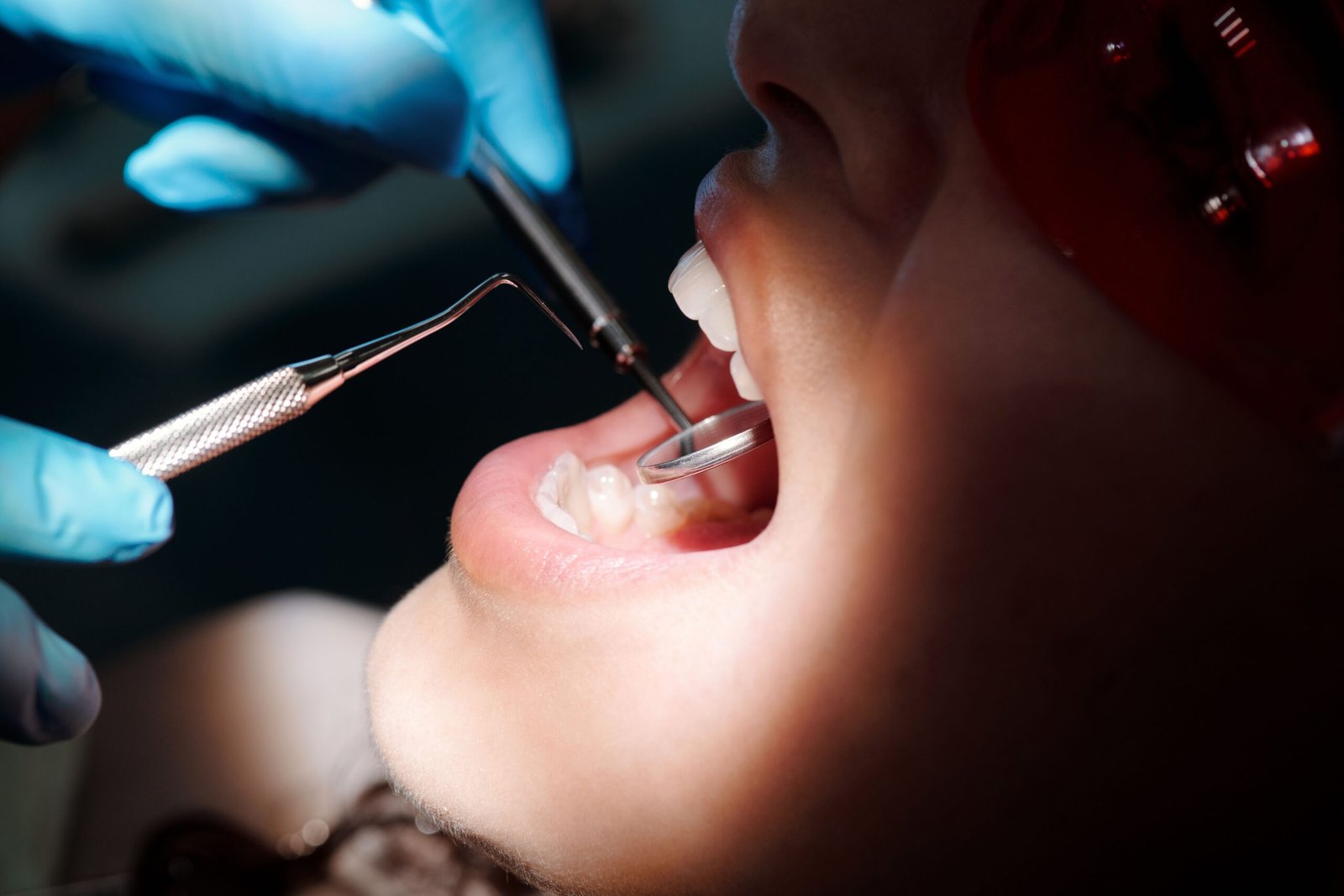
When working with dental cements, personal protective equipment (PPE) is essential for both clinician and patient safety. Many resin cements contain methacrylates that can cause allergic reactions or skin irritation .
Essential PPE for cementation procedures includes:
Dental gloves: Clinicians should use dental gloves to protect against skin contact with cement components
Rubber dam: Recommended for isolating the treatment area and protecting soft tissues
Protective eyewear: For both clinician and patient to prevent eye contact with cement components
Masks: For protection against inhalation of vapors, especially when working with primers
If cement components contact skin or mucosa, it should be wiped immediately with alcohol and then rinsed thoroughly with copious amounts of running water. If cement enters the eye, rinse immediately and thoroughly with running water and have the patient examined by an ophthalmologist .
Crown-Specific Cement Selection: A Clinical Decision Framework
The correct dental cement for crowns is determined by three factors: the restoration material, the preparation geometry, and the pulp status .
Full-metal and PFM crowns on teeth with adequate preparation geometry (stump height above 3 mm, convergence angle 10 to 20 degrees) can be reliably cemented with RMGI cement as the default.
All-ceramic crowns (lithium disilicate, zirconia, feldspathic) require resin cement. This is not a preference but a materials science requirement: these restoration types lack the preparation-dependent mechanical retention of metal crowns .
Crowns on short preparations or conical preparations should be cemented with resin cement regardless of restoration material, because mechanical retention from geometry is insufficient .
Non-vital teeth with reduced proprioceptive feedback increase the risk of overload on the cemented crown. Resin or RMGI cement is preferred in these cases .
Crowns on implant abutments follow a different logic: retrievability is a clinical priority for implant-supported restorations to allow future access to the implant. Here, a eugenol-free temporary or provisional cement with controlled retention is frequently the preferred strategy .
Conclusion
Choosing the best dental cement for crowns requires careful consideration of the crown material, clinical situation, and cement properties. While adhesive resin cements offer the strongest bonds for aesthetic restorations, self-adhesive and RMGI cements provide excellent alternatives for specific applications.
By systematically working through the five clinical decision points—restoration type, prep retention, isolation, esthetics, and retrievability, you can match the cement to the situation. Always ensure you have appropriate personal protective equipment to protect both yourself and your patients during cementation procedures.
At Dentistry99, we’re committed to helping you select the right materials for successful, long-lasting restorations.
FAQs
Q: What is the best dental cement for zirconia crowns?
Self-adhesive resin cements are recommended for zirconia crowns. Studies show multiple reliable choices exist with no clinically significant differences in bond strength .
Q: Are resin cements better than glass ionomer for crowns?
Resin cements bond stronger and are more aesthetic, making them ideal for thin restorations and zirconia. Glass ionomer cements are simpler, release fluoride, and are suitable for metal or PFM crowns .
Q: What PPE is required for cementation procedures?
Essential PPE includes dental gloves, rubber dam, protective eyewear, and masks. These protect against skin contact, eye exposure, and inhalation of vapors .
Q: How long does dental cement last?
Permanent dental cement is designed to last many years, often the life of the restoration if properly placed. Temporary dental cement typically lasts a few days to several weeks.
Read More Articles at USA Times Square.